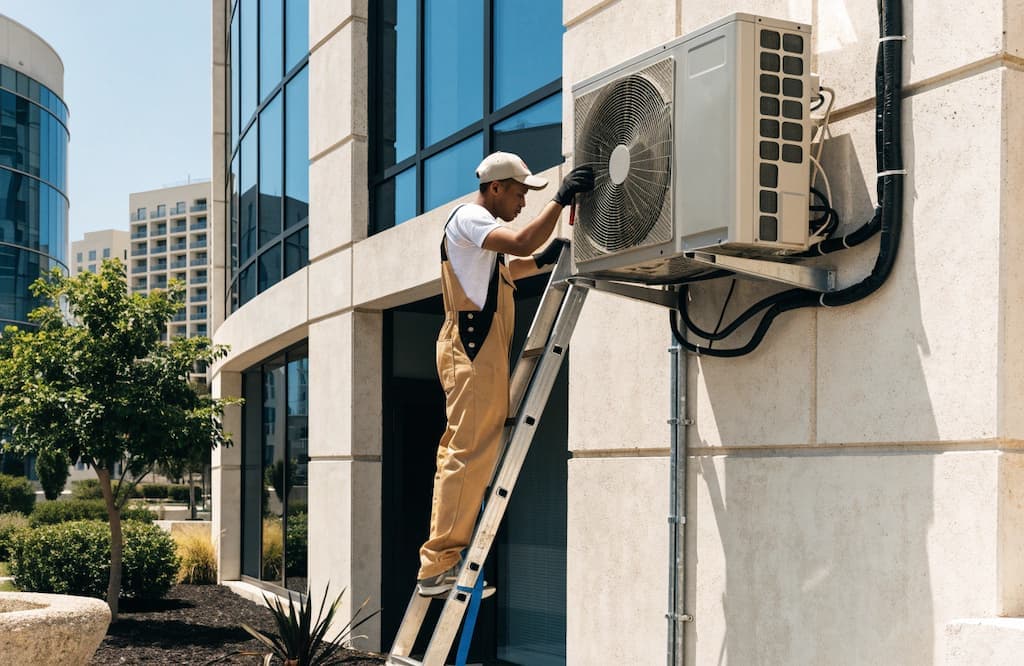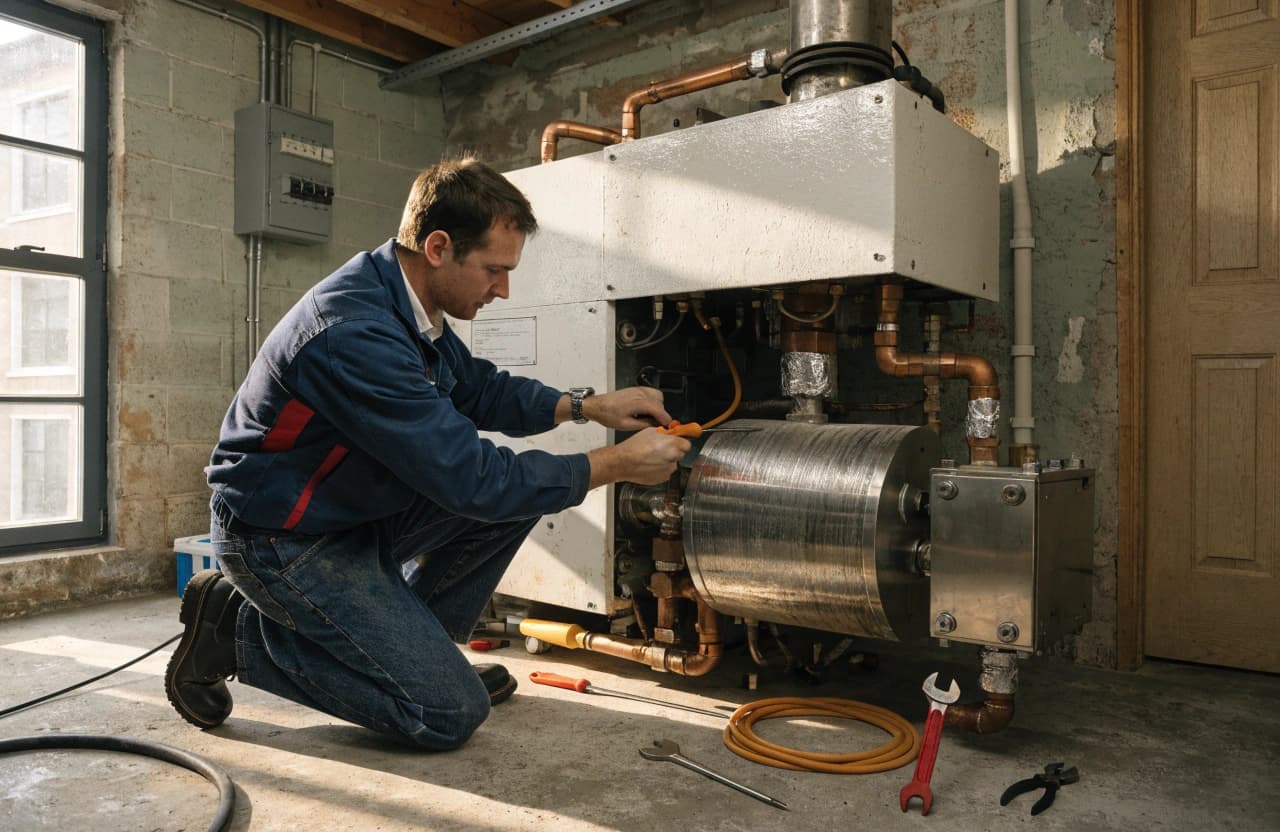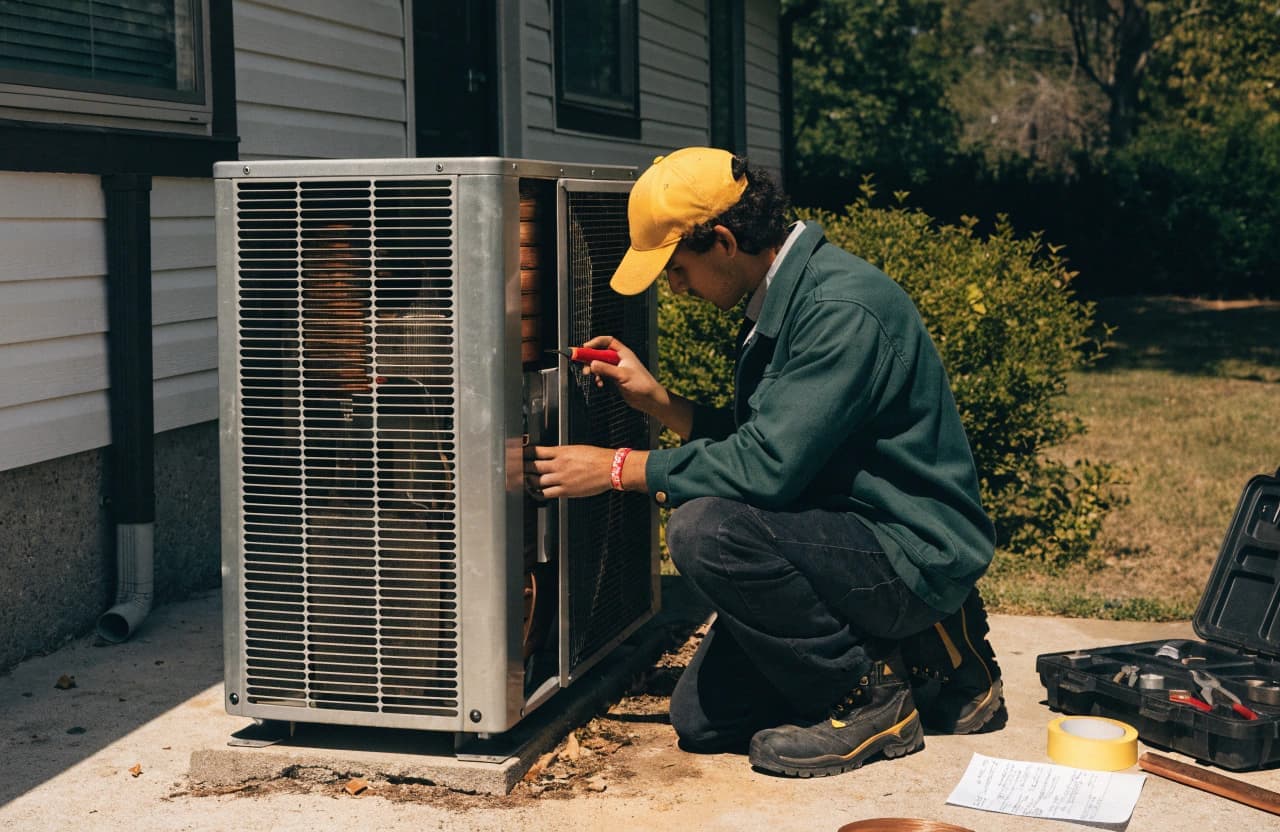
HVAC problems can turn a normal day uncomfortable fast
The AC blows warm air during a heat wave, the furnace makes a strange noise in winter, or one room feels fine while another feels like a different season That is exactly when people start searching fast, scanning reviews, comparing prices, and hoping the person they call is reliable. Home service decisions can feel small until the problem is inside your own home.
This guide is written for homeowners and renters in the United States. It does not mix country advice because the words, seasons, rules, housing types, and customer expectations can be very different. A useful local guide should sound like it belongs to the person reading it.
The goal is to help you understand what to check before contacting HVAC contractors, how to spot red flags, and how Peeptown can help you explore relevant Home Services businesses. For a broader starting point, you can also read Peeptown's reliable home services guide.
Start with the exact problem
For HVAC, note whether the issue is cooling, heating, airflow, thermostat behavior, noise, smell, humidity, short cycling, or rising energy bills. The more clearly you describe the issue, the easier it is to choose the right provider and avoid paying for the wrong visit.
Write down when the problem started, where it is happening, what you have already tried, and whether anything feels unsafe. Photos, short videos, and simple notes can help when you request a quote or call for urgent help.
Do not worry about using perfect technical language. A good provider should be able to translate what you are seeing into the next practical question. What matters is being clear and honest about the situation.
Know when it is urgent
No cooling during extreme heat, no heat during freezing weather, burning smells, electrical smells, gas concerns, or loud mechanical noises deserve quick attention. Urgency changes how you choose. In a true emergency, availability and safety may matter more than getting the cheapest quote.
Still, urgent does not mean careless. Check whether the business has clear contact details, service area, recent reviews, and a sensible explanation of callout fees or emergency rates. A short check can prevent a stressful problem from becoming more expensive.
If there is a risk to safety, property, water, electricity, heating, access, or structural damage, stop trying to fix it yourself and contact a suitable professional.
Use reviews for patterns, not panic
Reviews are most useful when you look for patterns. One dramatic complaint may not tell the whole story. Several recent comments about punctuality, pricing, communication, workmanship, or cleanup are much more meaningful.
For HVAC contractors, look for reviews about diagnosis quality, emergency availability, clear quotes, maintenance plans, part replacement, and whether the system kept working. Also notice how businesses respond when a customer is unhappy. Calm, specific replies can show professionalism. Defensive or vague replies may be a warning sign.
Recent reviews matter more than old ones. Home service teams, ownership, pricing, and quality can change quickly, especially in busy markets.
Price clarity matters before the visit
HVAC pricing may include diagnostic fees, labour, parts, refrigerant checks, thermostat work, filter replacement, emergency visits, or system replacement estimates. Ask what is included, what is estimated, what might change after inspection, and whether parts, materials, parking, disposal, or emergency callout fees are separate.
A quote should help you understand the job, not pressure you into agreeing immediately. If the provider cannot explain the difference between inspection, labour, parts, and follow up work, keep asking questions.
The cheapest option is not always the safest. The most expensive option is not always the best. The best choice is usually the one where the scope, timing, and responsibility are clear.
Check proof of fit for your home
A Phoenix AC call, a Florida humidity problem, a Chicago furnace issue, and a California heat pump question can all require different experience. A provider may be excellent for one housing type and less suitable for another. Fit matters because access, materials, age of systems, local weather, and building style can change the job.
Ask whether the provider has handled similar homes, similar systems, or similar problems nearby. You do not need a long case study, but you do want confidence that they understand the type of work.
Photos of previous work, service descriptions, and specific reviews can help. If the business profile is vague, direct questions become even more important.
Use Peeptown to browse the right Home Services category
Peeptown helps you browse Home Services businesses and move from a broad search to a more focused category.
For this topic, start with HVAC Heating Cooling & Air Quality. You may also want to compare Electrical Lighting & Smart Home, Smart Home Security & Automation, Solar Energy & Home Efficiency if the job overlaps with another service.
Using the right category matters. A general search can show too many options, while the correct taxonomy page helps you focus on businesses that are closer to the actual job.
Ask these questions before booking
Ask whether the provider handles your exact issue, how soon they can arrive, whether there is a callout or diagnostic fee, what information they need from you, and what payment methods they accept.
Ask whether the contractor services your system type, whether parts are available, and whether they will explain repair versus replacement options. Ask what happens if the job is bigger than expected. A professional answer should explain inspection, approval, and next steps before extra work begins.
If someone avoids basic questions or pressures you to agree before explaining the work, take a breath. Good providers want customers to understand the appointment.
Red flags that deserve attention
HVAC red flags include immediate replacement pressure, no diagnostic explanation, unclear warranty details, and quotes that do not separate equipment from labour. Trust your discomfort when a conversation feels rushed or unclear. Many poor home service experiences begin before anyone arrives.
Be careful with providers who have no business information, no recent reviews, vague pricing, no clear service area, or repeated complaints about unfinished work. Also be cautious if the provider insists on large upfront payment for a small job.
For bigger repairs, ask for details in writing. It protects both sides and makes it easier to compare providers fairly.
Make the visit easier for everyone
Replace or check the filter if safe, clear access to indoor and outdoor units, and write down thermostat settings and recent system behavior. Small preparation can reduce time, confusion, and cost. Clear access, secure pets, move fragile items, and make sure someone is available to answer questions.
Take before photos if the issue is visible. Keep invoices, warranty details, parts information, and care instructions after the work is done. If the problem returns, those records make the next conversation much easier.
If the service was good, save the business for later. A reliable home service contact is one of those things you appreciate most when the next problem arrives.
Local examples can help you think clearly
Texas and Arizona homeowners may search urgently for AC repair in summer, while Illinois, Michigan, and New York homeowners may care more about furnace reliability in winter. These examples are not meant to limit your search. They show why local context matters for home services.
Weather, housing age, rental patterns, parking, building access, and local demand can all affect service availability and pricing. The more local the job feels, the more useful it is to compare providers who know that area.
Use local examples as a guide, then check actual service areas and availability before booking.
Compare the next step, not only the first visit
Many homeowners focus only on getting someone to arrive. That is understandable when the problem feels urgent, but the next step matters too. Ask what happens after the inspection, how approval works, and whether the provider will explain options before doing extra work.
A good home service provider should be able to separate quick stabilising work from a longer repair, replacement, or follow up visit. This helps you avoid surprise decisions while someone is standing in your kitchen, loft, driveway, basement, or garden.
If the provider gives care instructions after the visit, follow them and keep the paperwork. A short record of what happened today can save confusion if the problem returns later.
FAQ About HVAC Repair in the USA
When should I call an HVAC contractor?
Call an HVAC contractor when cooling or heating fails, airflow drops, strange smells appear, the system short cycles, or energy bills jump without a clear reason.
Is HVAC repair urgent?
It can be urgent during extreme heat or cold, or when there are burning smells, gas concerns, electrical issues, or vulnerable people in the home.
Should I repair or replace my HVAC system?
Ask the contractor to compare repair cost, system age, warranty, efficiency, part availability, and how often the system has needed service.
Can Peeptown help me find HVAC services?
Yes. Peeptown helps you browse HVAC contractors, air conditioner repair, heating contractors, and related Home Services businesses.
Choose HVAC help that protects comfort and safety
A reliable HVAC contractor should explain the diagnosis, the urgency, and whether repair or replacement makes sense. A good home service provider should make the next step feel clearer, safer, and less stressful.
Use Peeptown to explore the relevant Home Services category, compare local options, and contact the business that fits your home, timing, and comfort level.